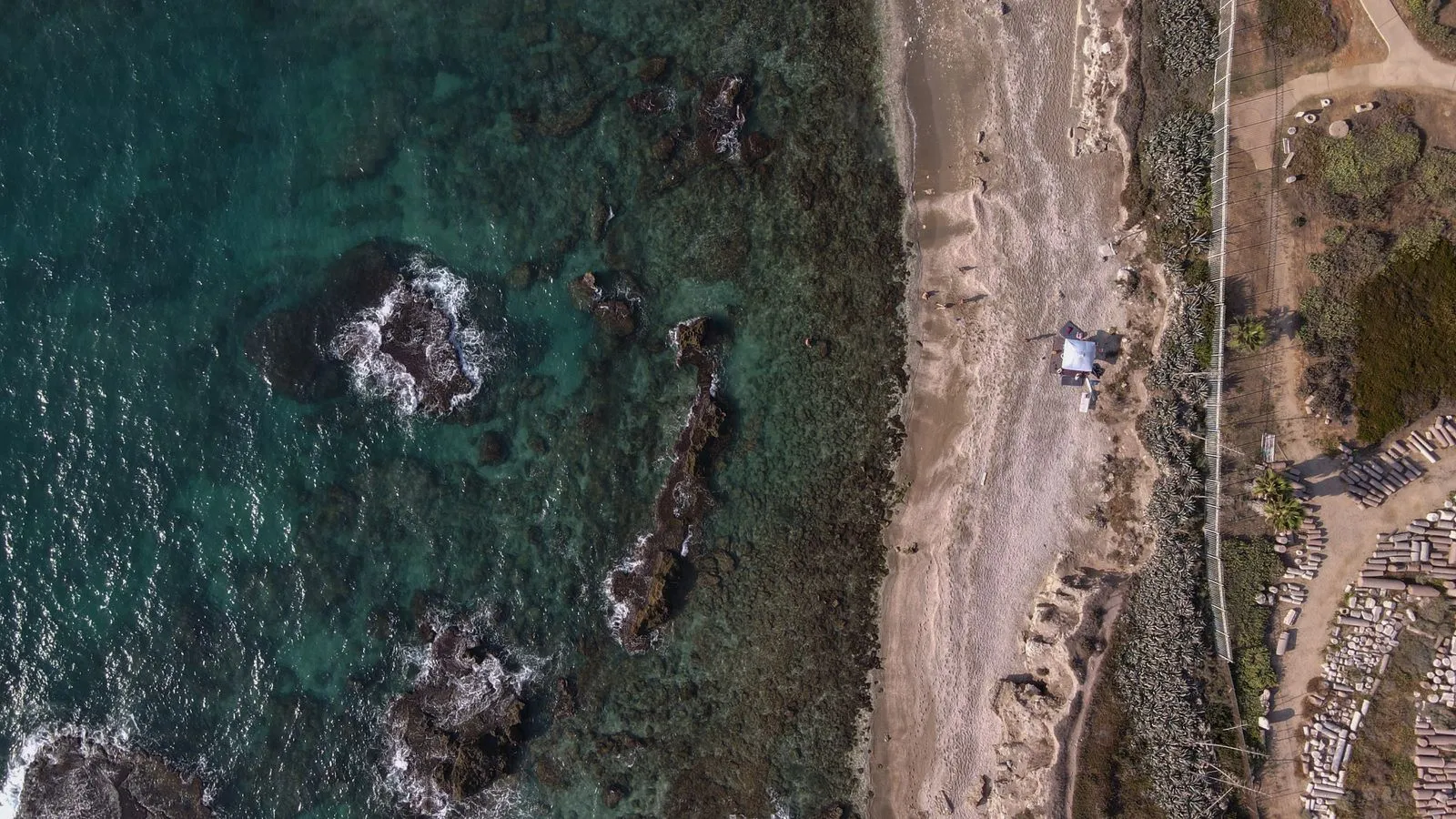
Strong aerial footage can help travelers understand the feel of a destination before they arrive. But a drone shoot needs more than attractive views: each shot should support the campaign, suit the intended audience, and be practical to capture. Start by deciding what viewers should notice, then plan locations, timing, permissions, and weather alternatives. A clear brief helps the crew work efficiently and gives your marketing team footage it can use across ads, social posts, and destination pages.
Build a purposeful shot list
Begin with the campaign’s main message. Is the destination known for beaches, historic streets, outdoor recreation, or easy access to attractions? Turn that message into a short list of shots. Include a wide establishing view, a few shots that show how places connect, and details that reveal the experience, such as a waterfront path or a boat approaching a marina.
Give each planned shot a purpose and a format. Note the location, movement, orientation, approximate length, and whether you need vertical, horizontal, or both versions. Capture clean openings and endings so editors can trim footage easily. Leave room for unplanned moments, but prioritize essential shots first in case weather, crowds, or access changes the schedule.
Choose locations with care
Select locations that represent the destination and tell a connected story. A sequence might move from a recognizable landmark to a nearby neighborhood, then to a restaurant district or outdoor activity. Check travel time between sites and whether each view is distinct enough to earn a place in the edit. A map review and on-the-ground scouting can reveal obstructions, crowded areas, and better launch points.
Confirm permissions and flight restrictions before putting a location on the schedule. Check applicable airspace requirements, property access rules, local restrictions, and any limits for parks or special events. Identify safe takeoff and landing areas, keep clear of people and traffic, and plan for privacy concerns. If a preferred site is unavailable, choose a nearby alternative that still supports the campaign’s story.
Time the shoot and plan for weather
Choose a time of day based on the look and activity you need. Early or late light can add depth and soften shadows, while midday may suit bright, clear views when the sun is not directly reflecting off water or glass. Consider visitor patterns, traffic, event schedules, and opening hours. If the campaign should feel lively, plan for genuine activity without placing the drone close to crowds.
Build flexibility into the schedule instead of treating a weather forecast as a guarantee. Wind, rain, low clouds, and changing light can affect safety and image quality. Set a go-or-no-go process with the pilot, identify a backup date or indoor planning tasks, and keep alternate shots ready. Before each flight, reassess current conditions and follow the pilot’s safety judgment and applicable rules.
Match footage to the audience
Think about what the intended traveler needs to see. Families may respond to clear views of accessible attractions and nearby amenities. Outdoor travelers may want to understand terrain, routes, and water access. Visitors interested in history or culture may connect more with a landmark framed in its neighborhood than with a sequence of generic sweeping views. Let the audience guide shot choice, pacing, and the details you include.
Plan deliverables around where the campaign will appear. Short vertical clips can support social feeds, while horizontal footage may suit a website header or longer video. Capture uncluttered shots with space for titles when useful, and avoid relying on text baked into the footage. Share the shot list and audience brief with the videography team before the shoot, then review selects against the campaign’s message rather than choosing only the most dramatic images.
A focused brief makes tourism drone footage more useful and easier to produce. Define the audience, prioritize a purposeful shot list, verify locations and permissions, and prepare for changing conditions. Review every planned shot against the campaign’s message before the shoot begins. When you are ready to plan a destination video, Tideframe Aerial can help shape the aerial coverage around your goals.